

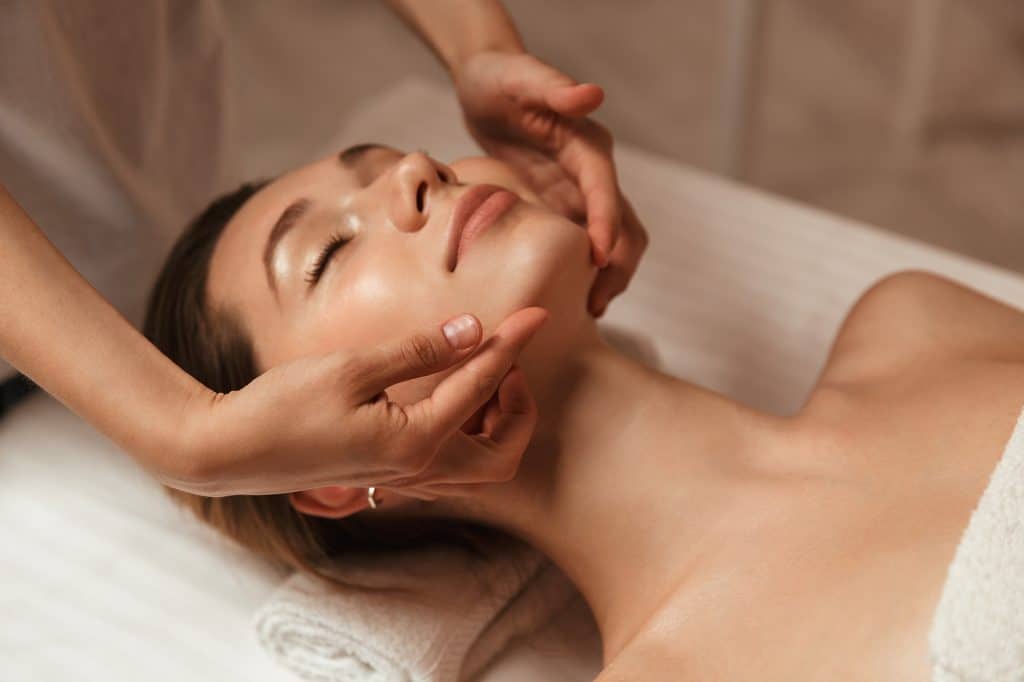
We all remember our youth when acne was embarrassing and painful. This is a condition that many people think it’s going to be with them forever and there’s nothing they can do about it. Acne affects people of all ages. It is pretty frustrating if it’s not treated properly. Luckily there are treatments for it and that’s exactly what we will discuss in this post. We will talk about every detail of an acne treatment, and we will walk you through the process, the products people use, side effects if any, timelines, and other details that are important for you to know if you are new to the skincare world.
What is an Acne Treatment?
An acne treatment is a procedure that reduces breakouts, unplugs pores and calms inflammation. Usually, an acne treatment will target multiple causes of acne, stuff like excess oil, dead skin, bacteria, and in some cases hormonal factors. The goal of a treatment like this is not just to treat your acne, but to prevent it in the future so you don’t have breakouts anymore.
According to LESAN Esthetics’ acne treatment in Naperville, a regular treatment can take about 12 weeks. Most estheticians follow the Face Reality Acne Program, which offers around 90% success rate to all patients.
The Acne Treatment Process
1. Skin Analysis
So, the first step for you as a new patient is your initial consultation. During this consultation your esthetician will examine your skin type, will look at the severity of your acne and any other conditions. All this information will be used to create a custom treatment plan specifically for your case.
2. Cleansing
Step two is after the assessment of your problems, your skin will be cleansed to remove dirt, oil or makeup if you have any. This step is to make sure that your skin is clean and ready for exfoliation.
3. Exfoliation
Now it’s the exfoliation time. Exfoliation is the step where your esthetician will remove the dead skin cells that block your pores. Your service provider might perform these two types of exfoliations:
- Mechanical exfoliation (like gentle microdermabrasion)
- Chemical exfoliation that uses acids such as salicylic acid or glycolic acid
4. Extraction
If needed, a professional may perform manual extractions to clear clogged pores and blackheads safely. This step should always be done by a licensed esthetician to avoid scarring or infection.
5. Treatment Application
After the extraction, you esthetician will apply a specific treatment. And again, it depends on your needs, but they might apply one or more of these treatments:
- Topical acne serums with benzoyl peroxide or salicylic acid
- Antibacterial or anti-inflammatory masks
- Retinoid-based products to promote cell turnover
- Hydrating serums to maintain moisture balance
6. Soothing & Hydration
Your skin will be sensitive after the treatment. Your service provider applies a moisturizer that will reduce the redness, inflammation and irritation that comes after each session. They might recommend you to apply sunscreen too, to protect it from the sunlight.
Products Commonly Used in Acne Treatments
- Salicylic Acid – will unclog pores and reduce oil
- Benzoyl Peroxide – will kill acne-causing bacteria
- Glycolic or Lactic Acid – will exfoliate and smooth your skin
- Retinoids (Retinol, Adapalene) – will increase cell turnover and it will prevent clogged pores
- Clay Masks – will absorb excess oil and stop inflammation
- Hydrating Serums or Moisturizers – will maintain skin balance and prevent dryness
Potential Side Effects
Professional acne treatments are safe in general, but there might be a few side effects that you should know about:
- Redness or irritation
- Dryness or peeling
- Sensitivity to sunlight
- Temporary breakouts (sometimes called “purging”)
Most of these side effects will disappear within a few days. Your esthetician will give you a few aftercare instructions to follow in case they show up after a certain treatment.
How Long Does an Acne Treatment Take?
So, the longevity of the treatment is different and it depends on the company you choose, but like we mentioned above, there is a universal program called Face Reality Acne Program, which is used by a wide range of licensed estheticians. The duration of this program is about 12 weeks. But, in some other cases where your provider will prefer another treatment, you should expect the following terms:
- Single Session: 30–60 minutes, depending on the treatment type and acne severity
- Recommended Frequency: Every 2–4 weeks, with a tailored plan based on your skin’s response
- Full Results: Noticeable improvement often occurs after 4–6 sessions, but some results can appear sooner
Final Ideas
This would be the main steps of the process for an acne treatment. Many patients report a success rate of about 90% of the times. If you are someone suffering from acne, you should know that you are not alone and that there are treatments that work. The process we described in this post is more to help you direct into the right direction. You should take your own time and look for more information on it. Maybe find a local esthetician that could give you a free consultation where you can ask questions in terms of the duration, cost and efficiency.