

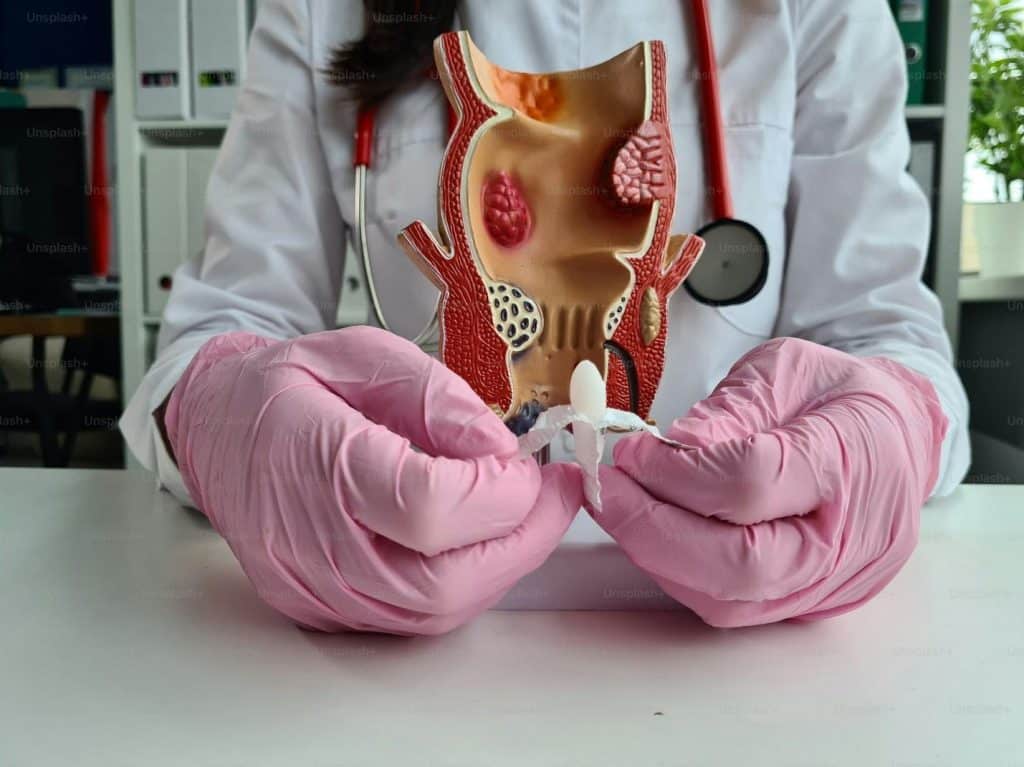
Hemorrhoids, commonly referred to as piles, consist of swollen and inflamed veins in the rectal and anal areas. As these veins become enlarged and bulge, they may lead to varying degrees of pain and discomfort, with some cases requiring medical intervention for more severe symptoms.
While many instances of hemorrhoids are mild and can be effectively managed with home remedies or over-the-counter medications, understanding the different stages of hemorrhoids is essential. This guide will delve into the various stages of hemorrhoids, their underlying causes, and strategies for preventing their worsening over time.
What are hemorrhoids?
As blood circulates through the human body, certain blood vessels located near the anus and rectum can become inflamed and enlarged due to increased pressure in the lower rectum. Factors such as prolonged sitting and unhealthy lifestyle habits can lead to the bulging of these vessels, resulting in pain and discomfort. In more severe cases, this can even lead to the protrusion or prolapse of veins.
Several common factors contribute to the development of hemorrhoids, including:
Straining During Bowel Movements
Conditions like chronic constipation or diarrhea can lead to significant straining, which increases pressure on the anal area. This straining can draw blood flow to the rectum and trigger the formation of hemorrhoids.
Pregnancy
Hormonal changes and the physical pressure exerted by fetal growth can increase the likelihood of developing pregnancy hemorrhoids. Additionally, the straining that may occur during labor and delivery can further elevate rectal pressure, exacerbating the condition.
Obesity
Carrying excess weight can elevate pressure within the pelvic veins, which may contribute to the formation of hemorrhoids.
The Stages of Hemorrhoid Severity
Hemorrhoids can be classified into four distinct stages or grades, each reflecting a different level of severity. This grading system helps healthcare professionals determine appropriate treatment options and the necessity for ongoing monitoring.
In particular, stages three and four present increased risks, such as blood clotting or thrombosis, which may warrant medical intervention. The grading of hemorrhoids is based on specific criteria:
Grade 1
This is one of the most common stages of internal hemorrhoids in which hemorrhoids remain within the anal canal and do not protrude outside the anus. Treatment typically involves making minor lifestyle adjustments, such as increasing dietary fiber intake and utilizing over-the-counter remedies as needed.
Grade 2
Hemorrhoids may intermittently protrude through the anus due to straining and increased pressure but usually return to the anal canal without any external assistance. Healthcare providers often recommend further lifestyle modifications, such as regular exercise and increased fiber consumption.
Grade 3
In this stage, hemorrhoids are fully protruding and often require manual manipulation to be returned to the anal canal. Known as a complete prolapse, grade 3 hemorrhoids may necessitate non-surgical treatments if lifestyle changes prove ineffective.
Grade 4
Hemorrhoids at this stage are completely prolapsed and cannot be repositioned back into the anus. Medical intervention is generally required, often in the form of hemorrhoidectomies, to remove, shrink, or band the hemorrhoids. Untreated grade 4 hemorrhoids can lead to significant pain and discomfort, severely impacting the ability of patients to sit comfortably.