

Table of Contents
- Understanding the Need for Supplements in Feline Diets
- Common Nutritional Deficiencies in Cats
- Types of Supplements Beneficial for Cats
- Risks of Over-Supplementation
- Integrating Supplements into Your Cat’s Diet
- Consulting with Veterinary Professionals
- Monitoring Your Cat’s Health
- Conclusion
Understanding the Need for Supplements in Feline Diets
Providing proper nutrition for your cat ensures a healthy, happy life. While many commercial cat foods are formulated to be nutritionally complete, certain health situations and individual dietary needs may require a little extra support. This is where food supplements for cats can play a crucial role in filling dietary gaps, supporting aging joints, or managing chronic conditions.
Cats, unlike some other pets, have particular dietary requirements due to their status as obligate carnivores—animals that rely on nutrients found primarily in animal tissue. Factors such as age, underlying medical conditions, and even breed-specific susceptibilities often mean a standard diet may not meet every need. As responsible pet owners, it’s important to recognize when targeted supplementation can support your cat’s overall well-being and help them thrive.
Common Nutritional Deficiencies in Cats
Even premium cat foods may not always provide all the nutrients your pet needs under certain circumstances. Cats are uniquely sensitive to deficiencies in nutrients such as taurine, vitamin A, and arachidonic acid, all of which are naturally present in animal-based proteins. Lack of these nutrients can result in severe health challenges, including retinal degeneration, compromised immune function, and heart disease. For example, taurine deficiency in cats has been directly linked to vision loss and the development of dilated cardiomyopathy, a potentially fatal heart condition. According to WebMD, common cat health problems such as heart disease, kidney issues, and eye disorders often stem from nutritional gaps, underscoring the importance of balanced diets.
Situational deficiencies may arise from grain-heavy commercial foods, specialized homemade diets, or illnesses that hinder nutrient absorption. When these scenarios occur, supplementation helps bridge nutritional gaps, preventing potentially irreversible consequences and providing a personalized approach to cat nutrition.
Types of Supplements Beneficial for Cats
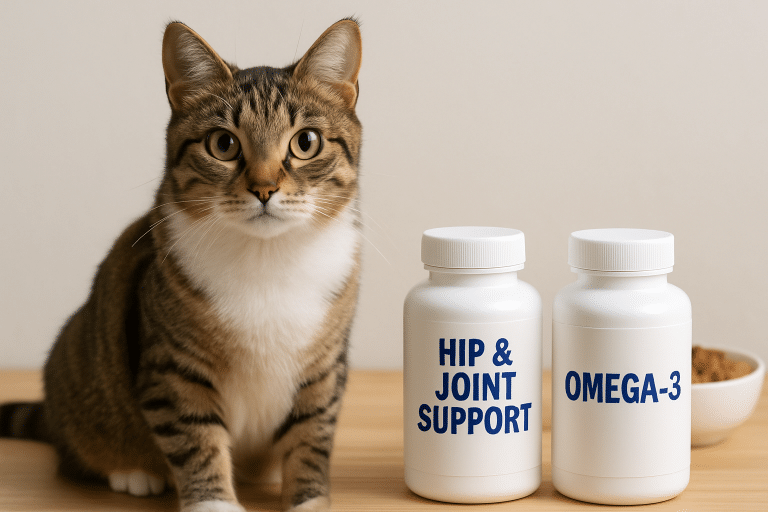
- Omega-3 Fatty Acids: Rich in anti-inflammatory properties, omega-3 fatty acids from marine sources such as anchovy and krill oil are highly bioavailable for cats and support skin, coat, joint, and brain health.
- Probiotics and Prebiotics: Essential for maintaining digestive balance, these supplements enrich the gut microbiome and can help with chronic digestive issues or after antibiotics.
- Vitamins and Minerals: Targeted supplementation can address individual deficits, especially in cases of illness or restricted diets. B vitamins support energy metabolism, while minerals like potassium and calcium are vital for nerve and muscle function.
Risks of Over-Supplementation
While the advantages of supplementation are clear, it’s equally important to appreciate the risks associated with excessive or improper use. Fat-soluble vitamins, such as A and D, can accumulate in a cat’s system over time, leading to toxic reactions—symptoms might include lethargy, loss of appetite, and even organ damage. Oversupplying minerals such as calcium or phosphorus may adversely affect kidney function or bone health. Maintaining balance is critical, and cat owners should never exceed recommended dosages without veterinary guidance.
To avoid creating new health issues while resolving others, supplements must be administered in carefully measured amounts, tailored to your cat’s size, age, health status, and current diet.
Integrating Supplements into Your Cat’s Diet
Gradually work supplements into your cat’s routine, starting with tiny quantities and carefully monitoring for signs of intolerance or gastrointestinal upset. Cats are creatures of habit, and sudden dietary changes even beneficial ones can cause stress or illness. Use only products specifically formulated for cats; human supplements may contain ingredients that are harmful or biologically incompatible with feline physiology. According to insights shared in a Newsweek piece discussing whether cats truly need supplements veterinary guidance is especially important because unnecessary or poorly chosen products can do more harm than good. Consistently observing your cat’s behavior, energy levels, and appetite will help you identify whether a supplement is genuinely beneficial. If you notice any negative reactions, discontinue use immediately and consult your veterinarian for safer alternatives.
Consulting with Veterinary Professionals
Your veterinarian is your best partner in making smart, safe nutritional decisions for your cat. Regular consultations help tailor supplement choices to your cat’s specific profile, accounting for factors such as medical history or concurrent prescriptions. Vets can also recommend reliable brands and provide dosing advice, helping minimize any risks associated with overuse or adverse interactions.
Monitoring Your Cat’s Health
After introducing supplements, keep a close eye on your cat’s appearance and behavior. Signs of improvement might include shinier fur, increased energy, enhanced muscle tone, or improved mobility in older or arthritic cats. Conversely, watch for any negative signs, such as vomiting, lethargy, skin irritation, or altered appetite, and report them to your veterinarian promptly. Routine check-ups and blood tests are invaluable in assessing both the effectiveness and safety of the chosen supplements.
Conclusion
Food supplements can be a powerful tool in supporting your cat’s health, but should be used thoughtfully and with expert input. By understanding your cat’s nutritional needs, identifying areas for support, and working closely with your veterinarian, you can ensure that supplementation enhances the quality and longevity of your feline companion’s life. Balanced nutrition is an investment in their future well-being, bringing peace of mind to caring pet owners and ensuring your cat enjoys a vital, fulfilling life.